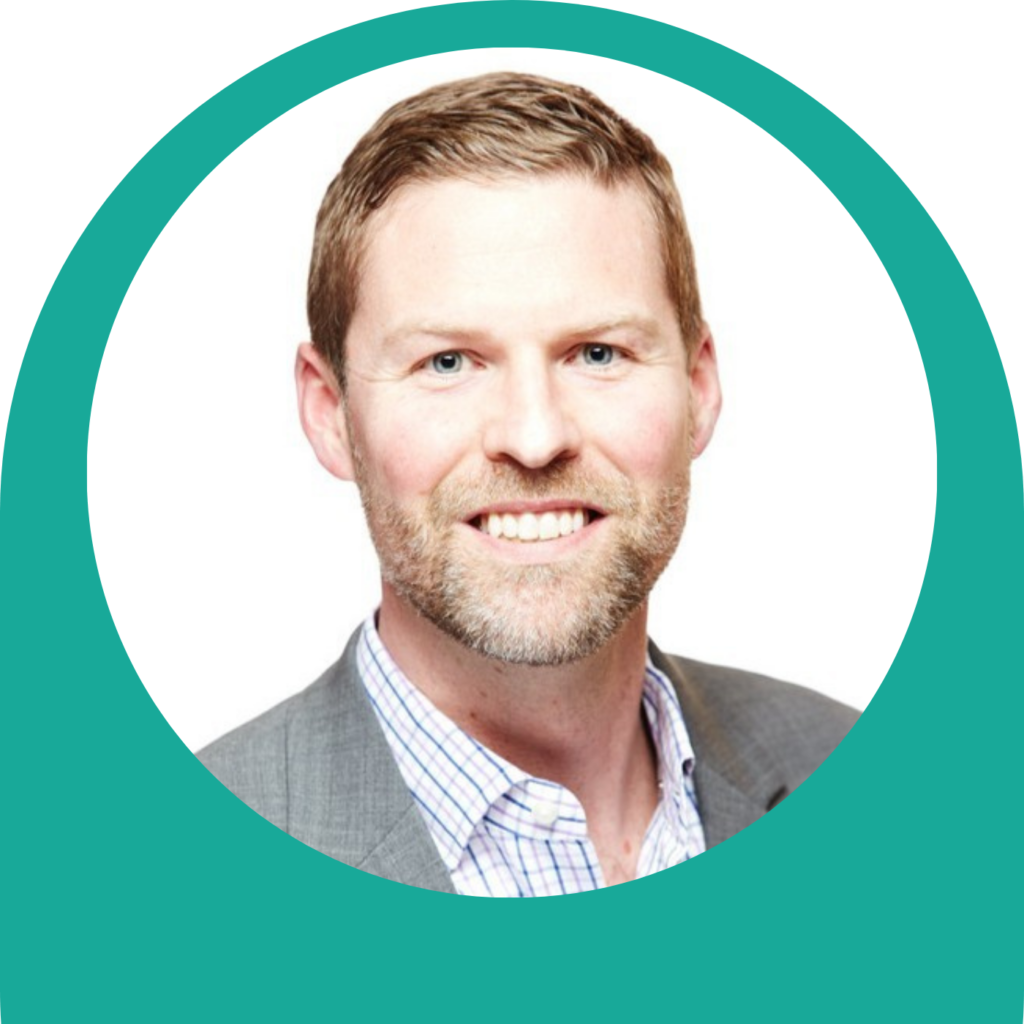
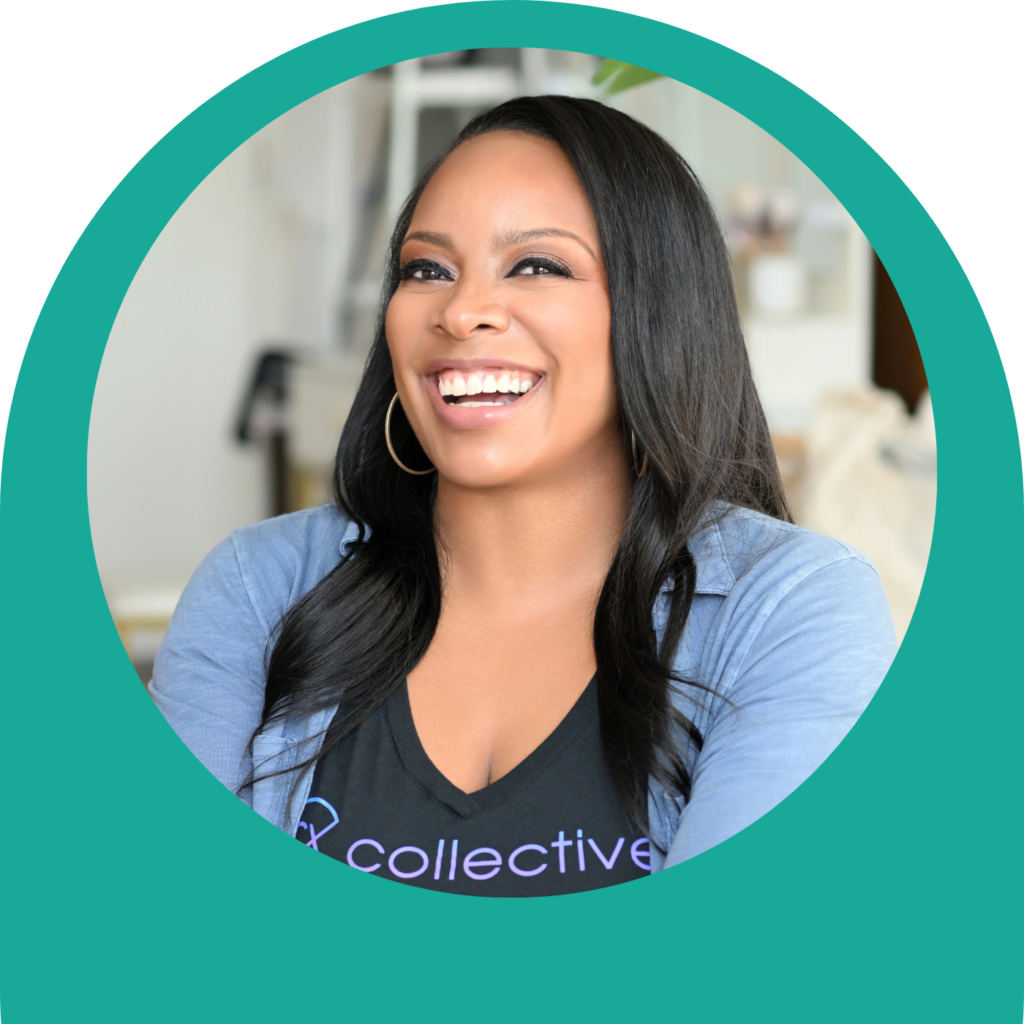
Priscilla McKinney: Today I have with me Mark Young, full disclosure, we’ve known each other for quite a while. I wanted to have him on because there’s very few people who live in some of my exact spheres and it’s fun to talk to a peer. I think you’re gonna really enjoy hearing from him about his perspective on digital transformation success as it pertains to really using social media. We’re probably talking an awful lot about LinkedIn. So Mark, welcome to the show.
Mark Young: Thanks for having me Priscilla, yeah, it’s been a long while coming I guess so yeah it’s good to be here.
Priscilla McKinney: Yeah, for sure. Well, one thing that I mentioned we have in common, we both teach people how to be on LinkedIn efficiently and maybe not annoyingly. Is that a good way to put it? So let me hear from you a little bit about your perspective and then we’ll kind of regroup. We’ll come back and circle around on like, what is LinkedIn’s purpose and how we both feel like we’re able to show people how to use it effectively. So tell me your perspective.
Mark Young: Yeah, I guess, I mean, it’s like, wow, where to begin with that one. So my perspective is, you know, it’s this perspective built inside knowing that at the end of the day, you’re dealing with a human being kind of a thing. And the other side is marketers ruin everything. So let me put those two together.
You know, despite all the moisturizers that I use to keep the skin looking good, I’m actually quite old. And so I remember the days when I first started my career after university where I did telly sales and we weren’t allowed to sit down on a chair until we’d made 100 calls and booked three meetings. And that was fine back in the late 90s kind of thing, but there’s no way to get in front of anyone these days if you pick up the phone.
I know there’ll be very experienced tele-sales people there going, what’s he talking about? But most normal human beings are too afraid to pick up the phone. And even if they did, you’re not gonna get by to a decision maker on the phone much these days. So there are other ways to do it and telemarketing had its time, email marketing had its time as well.
I remember cold emailing hundreds of people and you would get through to them because there were no spam filters and all that kind of stuff and it worked at its time. And then going from being the salesperson to then running my own company, I ran a training company for about 15 years and I could never understand why is it that I’d hire a marketing person and they wouldn’t be able to boost sales or the presence of the company more than where I was actually paying their wages almost. And that went on for a long while. And so when I did exit that business I studied all things lead generation, social media, paid ads, all that kind of stuff and I left the best till last because I thought I knew it the most and that was LinkedIn.
But LinkedIn as a tool, I think it was started back in 2008 or something like that, but it had changed a lot you know when I started to look at it again. The amazing thing is, and I’m sure you see this as well, is still most of the population haven’t woken up to LinkedIn. They’re still treating it as an online resume because that’s what it was originally. You put all your education there as your digital CV, as we would say in the UK.
But if you use it in a social selling context and not the heavy sales kind of thing, you know, there’s nothing worse than people pitching you on LinkedIn, but from whatever angle, whether you are looking to hire someone to looking to get in front of a decision maker, LinkedIn has all the information that you need. Now, as long as you look good to them, so it doesn’t look like you’re just about to sell to someone as soon as they accept the connection request, then you build a lot of trust in advance with your profile, with content, with the connections that you have in common, all that kind of stuff. So LinkedIn for me is just a very human way, as long as you use it like a human, to get in front of the people that you’d have tried to get in front of with your phone calls, with your emails back in the day. Those kind of things don’t work so much anymore. So I still love LinkedIn.
Priscilla McKinney: Right, right. Yeah, so I love that when you think about digital transformation, we’ve been on a digital transformation throughout our careers. But now today we’re going to talk about digital transformation success. And so what you’re saying is that there really is nothing quite like LinkedIn, especially for a B2B audience in order to build that kind of trust.
And you mentioned that like immediately having a connection with someone and selling to them. I call that the pitch slap. It’s very jarring and every time it happens to you, it’s upsetting. But yeah, success means being human. And I love that. So let’s kind of circle back to LinkedIn and why LinkedIn and really give our audience some helpful tips in order for them to take that next step for success.
But you and I both know that LinkedIn goes out and says that their purpose is to link talent to opportunity at scale. And that sounds amazing. And I think this is super important. We are the talent. We all need many more opportunities. So kind of to that, I remember the days also of the hundred phone calls before you could sit down. If I even intimated to my team that I was going to make them do that, this whole business would fall apart. Yeah, I know it’s just not the same.
But this idea is beautiful because me being able to make those calls, those are time limited, but I can’t do them at scale. I got to take one call at a time. Whereas on LinkedIn, I’m able to post something, my expertise, I’m able to offer value and I’m able to do that at a much larger scale. However, before we go into a crazy rabbit hole of discussions between the two of us, the other thing that you and I both know is that LinkedIn is simply an advertising company.
Mark Young: Yeah, yeah, yeah.
Priscilla McKinney: Yeah, and they want to make money. So they want you to do certain things so that they can make more money. And that is the crux. And this is what I want to hear from you about as the expert. You know, how do you go into LinkedIn then and really get success for yourself and not necessarily go out there and do LinkedIn’s bidding? So where do you start with that for your clients?
Mark Young: It’s a good question. So I guess as you said, LinkedIn loves money. And it knows that if you want to be seen, then guess what? You’re going to give us money kind of thing. And I would say to prospects and clients that LinkedIn advertising is probably the most expensive type of advertising that you can do. It’s okay if you’re selling a product that is, I don’t know, 10,000, 100,000, whatever, then that’s fine. But most small business enterprises, SMEs, founders, coaches, you don’t have that kind of three, $4,000 a month they say that you need to just touch the sides with LinkedIn advertising.
But LinkedIn is such a fantastic platform that I guess it also comes back down to people buy people all the time, that doesn’t change. You know, you can’t hide behind a shiny logo and so we’re actually all adverse to being sold to as well, particularly through the pitch slap or even content as well. So you know, if a piece of content looks like an advert, i.e. it is an advert, then we’re more likely to skip through it because we don’t want to be sold to. It’s not what I come to the network for.
Or if someone, and I get this quite a lot because we create content for clients, if someone is saying, yeah, but I need my logo here and all the brand colours and all this kind of stuff, if it starts to smell corporatey that you’re trying to sell me something, then it looks like an advert. Then again, you’re more likely to skip by it kind of a thing. And the people even who do spend money on advertising, and this is what gets me, they’re spending all this money on advertising to make their post look like it comes from a human being kind of thing. It does just start to say this is a promotion but they are doing that, they’re writing, they’re advertising a bit like you would speak on LinkedIn kind of a thing.
Priscilla McKinney: Right. So then we kind of think maybe we should just go back to letting the human do it. So you’re very bold though with the name of your company, Love Social Media. So for those of you who hadn’t met Mark before, he’s the founder of Love Social Media and he does help teams build trust through LinkedIn. And so specifically this like being a human that he’s talking about is absolutely in his wheelhouse.
But so as you approach a team and you need them to transform LinkedIn from a content platform to what you would call a trust engine, you’re saying yes, be more human, but let’s get more specific than that. How can they go about attracting the right opportunities? Let’s start with that idea.
Mark Young: Okay cool. So there are some new techniques and some tried and tested, it’s not even a technique it’s just how you set yourself up. The word that comes up, you’ve said a few times and obviously I’ve got it all over the website, is trust. Sounds overused, but it’s not really because that’s what all this is about. It’s trust. Social media networks, as we’re seeing now, will come and go kind of a thing. But trust is what stays.
You know, SEO, people talking about SEO over the websites. And again, I might be right, might be wrong, but if no one’s going to Google to type in your local accountants or whatever it is that they’re looking for, then they’re going to the AI tools, then suddenly SEO was built on trust, as in, are you connected to the right websites? It’s not just about having the right keywords. It’s all that trust authority stuff. In the olden days, you needed to be in the yellow pages, you know? And your company name should start with A or something like that so if you are a chosen company you start with A because that’s where people would be reading first, then you must be a trustworthy company. That was all it was.
So as we go on, trust is going to be something that people cling on to even more. I was listening to someone the other day who was talking about AI avatars. We’re at the stage where probably in the next year, why not just replicate yourself, have your AI avatar out on every single social media channel talking about this, that and the other. Everyone will be doing that soon, which means we’ll actually be looking to hook on to other trustworthy things. Because maybe suddenly the face is never going to be trustworthy again.
So it’s all about trust. And where we are now is, I think, just being seen. So it starts with your profile. So your profile needs to be talking about who you help, how you help, why people should care. No one cares about us, you know? I always say we’re going to humanize your profile at the start to maybe tell a little bit about your journey, some kind of interesting tidbit to get people on because you’re a human being. But ultimately no one cares about us. They care about themselves.
So even the profile should be talking more about who your target audience is. And again, it’s that kind of you can’t target everybody. This is the entrepreneur’s curse where you can sell to anyone for sure. But you really should be on a network like LinkedIn sort of targeting a particular niche. So it all begins with your profile having that one conversation with that niche as the initial part.
And then fast forwarding, people will need to find you. And whether you like it or not, you’re not in this or out of this social media game. You’re in it kind of a thing. So if I met you at a networking event, we’re probably not handing out business cards anymore. I’d be like, oh, let me find you on LinkedIn. And if I see you there and there’s nothing, you’re not doing any kind of content, it’s kind of like, okay, well, that’s that.
Versus someone who’s maybe fresh out of school, fresh out of university, who’s singing and dancing, maybe not on LinkedIn, but you know, they’re turning up, they’re putting out the content, they’re on LinkedIn. It kind of feels like it’s my world because they’re talking about stuff that matters to me and not to the whole world. Then I’m going to see you quite a lot, particularly the way how the new algorithm works on LinkedIn. It’s gone from this social graph where it just shows your content to your inner circle who aren’t your target audience to this new interest graph. So which means it’s showing your content to people who actually want to see your type of content.
And so if I’m going on to LinkedIn and I see your content today, sometimes actually today I’m scrolling and I’ll see two or three pieces of your content. So there you are again, there you are again, there you are again tomorrow, there you are again, there you are again. It’s that consistency of you turning up every single day on my timeline talking about stuff I actually care about that is going to get me, you know, it’s building that trust relationship with you right if we’ve done that.
Priscilla McKinney: Right. But you already mentioned that LinkedIn admits that they don’t give all of your feed to everybody, even who follows you. And so let’s talk to my audience who’s listening and saying, but yes, I hear you, I want to be human, I’ve done the best job I can there, I’ve put some things out there. How do they start gauging whether they’re doing well? Do you look at the social selling index or how do you help people gauge whether they’re even on the right track?
Mark Young: Yeah, that is a tough question. I get asked that quite a lot. So there are a couple of ways. I don’t particularly look at the social selling index much these days. I know it was a good barometer back in the past. Maybe I should look at it again.
I guess that I’m looking for a few things, particularly in the campaigns that we’re running for people. We are looking, you know, are we getting the views? Now, views are a vanity metric, as you probably know. But you know, we’re going for a lot of people starting with maybe no content to now creating content. And then suddenly LinkedIn is going to reward us for being on the platform and partaking. So views will go up. It’s one of these old stats we’ve probably both been using for a while. You know, there’s now 1.1 billion people on LinkedIn, but actually it’s still only about 1.1% of people are creating any kind of consistent content so there’s a huge opportunity still there, it hasn’t changed much.
Priscilla McKinney: That should get somebody excited when we’re thinking about the B2B sales process and you think, it’s flooded, the market’s so big, whatever. But honestly, the amount of people that are really creating consistent and consistently good content is still pretty rare. And I don’t think people realize that. I think they get out there and they feel very overwhelmed. And so they can’t quite put together a B2B sales process for themselves because they just get so taken down rabbit holes with this person’s doing this, this person’s doing that, okay, I just don’t know how to be seen.
And so then they don’t do it. And that paralysis actually does help those of us who are consistent and want to put something out, but it’s interesting. They still are out there, they’re voyeurs, they’re looking at what’s going on, but they’re not posting. And that is such a huge missed opportunity.
I know that you and I deal with a lot of people who have that kind of fear. They get there in that paralysis and they can’t just seem to post or they overthink the post and it goes on and on like this. Now you take over some people’s accounts, but you also teach people how to do it. So how have you gotten people over that hump so they start posting things and get consistent with it?
Mark Young: Yeah, it comes back down to what I say to people and this is almost like an ROI question as well. You know, what would you write about? I get a lot of people saying, I don’t like writing about myself, and it’s like, good, because this isn’t about you. No one cares about you. Maybe your mum, but not many more people care about you. They care about themselves.
And again, it’s like when we go onto social media, we’re almost looking for ourselves. So you know, it’s like, are you a LinkedIn consultant? These are five things that you were worrying about this morning. That would get my attention because it’s naming me. What are the other people in my industry really, really worried about? So it’s picking up things that your target audience would feel that you’re communicating just to me. So you know my world. So again, you’re building trust.
But I guess where I was going with that is one of my biggest influences was a guy called Marcus Sheridan, who wrote the book They Ask, You Answer, also now titled Endless Customers. And I remember reading that book and just being so wowed by it. To distill it down, just create content that your customers ask you. So so simple, but hardly anyone does it.
And so when people ask me about that, when am I going to see the ROI on this? I’ll go, okay, well, as soon as we start tackling the questions that your target audience are asking, depends how you use it. So you could be putting it onto your profile obviously, you could be putting it onto your website, you can be putting it on a blog. And then the next time a customer asks that question, you go, well, you still have to answer it, but we could also say, and we also made a YouTube video about that, here’s a link to the YouTube video.
Suddenly they’ll see all the other YouTube videos that you’ve made, maybe answering client and customer questions. They’ll gorge on that content. They’re looking into the eyes of whoever is presenting that content. And that’s how you’re developing trust. But the same thing could be done on LinkedIn as well. I’m not a big video fan these days for video on LinkedIn simply because all the stats would suggest that the viewership has fallen off the side of a cliff. But again, you know, if someone asks a question, good question, answer it, maybe create a piece of content around it, have it on your profile. And again, when someone asks that question, boom, take them to that post, expose them to it and so on and so forth.
And then we let the algorithm gods decide. Okay, if you have liked this post then you must like this person, you must like this person’s content, let’s show you more of their content. And again, that then means that they’re going to see you, see you, see you, touch point, touch point, touch point, trust is born.
Priscilla McKinney: Yeah, and that’s just using buyer psychology to help us get chosen when it’s that key moment. So you used an in-stream phrase, the algorithm gods. So let’s talk a little bit about that because I know because we’re experts on LinkedIn, you and I get hit up all the time for immediately, what’s the tip and trick? And we always talk to people about, well, raise your right hand first of all, before you start using what you think are tips and tricks, make sure that you’re doing the things that Mark just talked about.
You’re building trust, you’re thinking about your audience, you’re understanding that they want to talk about themselves and that they’re interested in their own problems and solving their own challenges. And they’re not wanting to just sit and look at everything that you have going on, right? We don’t want to know what, at least we’re beyond the what did you have for lunch era, right?
But beyond that, when we’re really talking about a B2B sales process, we do know we have to acknowledge the algorithm. And you just said something interesting about video. We know that in just recently this has gone off a cliff, but you and I also both know that things on LinkedIn have a way of going off a cliff and then coming steadily right back up the hill. This is something that Mark and I know, but I think what would be interesting for our audience is they’re always hungry for this, but what do you do? What are the, what they would refer to as tips and tricks? For me, I feel like it’s just muscle memory because I do have my profile correct, I do talk about topics that are of interest to my target audience and I’m consistent. Let’s just pretend for a minute that people are there. What are some go-to tips or tricks that you use on LinkedIn? I’ll kick off by saying maybe we should talk just a little bit about golden hour. What do you think about the golden hour?
Mark Young: Yeah. Again, I take my knowledge from Richard van der Bloem, who for me is the de facto one studying the algorithm. But you don’t know who to believe these days. I believe him. He’s the source of truth. But then as soon as you teach something, then other people will also teach that, which means when you hear something again and again and again, how do you get people’s attention by saying the opposite kind of thing. So you don’t know what to believe these days.
But I hear that the golden hour is actually could be a golden three hours these days so it’s not as important as it was to be responding to everyone within that first 60 to 90 minutes. Something else that was brought up though, which kind of fits in with what we do with some people, is actually engaging in other people’s content before your own content goes live. So this is a newish one for me. I’ve never heard that until recently, but it’s all about what they call priming the algorithm, which means that before your content goes live, if you are engaging with people maybe about 20 or 30 minutes before your post goes live, that gives a bit of algorithm juice to what you’re doing so you should be pushed further.
But then actually as we said only 1% of people are creating any content, if you’re engaging with other people then that’s not the right words. 1% create content, 9% do the engagement. So hardly anyone engages in the content either. So if you’re the person who’s engaging in other people’s content, depending how fresh it is, they’re going to be going, okay, who’s this nice person who’s just engaged? They then be looking at your profile. If they are your target market, guess what? You’ve written your profile to say who you help, how you help, why people should care. And again, now the algorithm is going to kick in and go, okay, if you like this type of content or this person, let’s show you more.
So my number one tip and trick, you know, to add to the golden hour, is that if there was one thing that you should do, even if you can’t think about doing any of your own content, just engage in other people’s content, particularly the target market or influencers in the industry. So you know, if there’s someone who is a recruiter who gets a lot of engagement from your target audience, just by consistently engaging in their content, as long as your profile is written in such a way, then they’re going to be checking you out as well. So you’re almost like surfing the wave of someone else’s popularity.
Priscilla McKinney: Right. Yeah, I love that. And I do think it’s about knowing that LinkedIn wants you to engage with other people’s content. And so kind of what we said at the top of the show is LinkedIn loves LinkedIn, you know, and they want you to do the things on there. And so of course they’re going to reward you for that. So I think no matter what comes and goes with tips and tricks, I do think that engaging with other people’s content is going to be huge.
And to your point about being human, if I’m after, let’s say Eduardo at XYZ company, well if Eduardo sees me following him and engaging with the content and then I make a connection, I mean, that’s human. That’s all the things you talked about. Like that’s just human psychology to say that person feels like you’re watching and you’re appreciating what they’re posting. It’s going to be so much easier to strike up a conversation with them.
I’ll give one of mine. I think that will never get old with the algorithm and that is I talk to people about like the gift of the alphabet and they’re like what are you talking about. But you know, sometimes when you’re engaging with people’s content you’re kind of stuck there and you’re like what do I do, you know, I want to say something, I do think you need to say more than one word, I think the algorithm has proven that you need to say a sentence or two, say something interesting. But I like to think about one or two people who would also find that piece interesting, but I can’t remember everybody at the time that I’m trying to post that.
And so I use the alphabet. I’ll just go in there and say at A or at B or at C, you know, and you can go through the alphabet or whatever, but it’ll show people that you have recently engaged with and it shows you not in alphabetical order, but in kind of meaningful order, people who you are typically connecting with. And so I can like, yeah, talked with Mark about this the other day, okay, I’d forgotten that. But I let the alphabet remind me of someone who would be good.
Now I’m not going to tag someone just randomly and be like, I haven’t heard from you in 10 years, Priscilla, and now you’re tagging me. But if I just spoke with someone yesterday about something about LinkedIn, which I almost every day have, then the alphabet can remind me who I was in conversation with and I can tag other people. And what do people appreciate more than you waving other people over to a conversation or something interesting that they’re saying? No matter how the algorithm changes, that’s a tip or trick that I think is going to work forever. So I’d love to hear one more from you. What’s another go-to that you have?
Mark Young: I think, can I give you two? Two very quick ones instead of one long one. So I always say that you’ve got to be different now. Let’s be honest, a lot of people, particularly if they’re doing direct messaging, are using automation tools. That’s the world that we live in because marketers ruin everything, and even using AI tools to hyper personalize. The first thing that we see are the patterns, you know, it’s like, hey, Mark, see you’re running a social media company in London or wherever, you can see the patterns and you know it’s AI. So already you kind of the trust shatters a little bit.
So but what people still aren’t doing, and we’ve been doing this for quite a few years now, is using video. So as in, you can use video, just loom yourself in advance, you could be doing really personalized stuff. Now this works again and again and again. If I was on your profile and I hit record on loom and go, hey Priscilla, we haven’t spoken for ages, have we? Wow, seventeen years now. Or I see you were doing this. The fact that I’m on your page and I’m taking time to say something to you even if we haven’t spoken for years, there’s so much head and shoulders above anything anyone’s doing.
And I say this time and time again, I can count on one hand how many people have been using video in their direct messaging, and running a lot of accounts, hardly anyone. Either people don’t know what to say, they’re too shy, they don’t know how to do a whole lot of stuff. So use video as much as you can. And the other part is just be a little bit different. So again, if we remember, a billion people on LinkedIn, only 1% create any kind of consistent content, only 9% do the engagement, 90% of people are just watching, they’re just voyeurs.
So how can your comment be a little bit different? Well, add an image to it. You know, again, whether you just find a nice funny picture or I don’t know if you can still do GIFs, but if you find a nice funny picture, the Leonardo DiCaprio one clapping or whatever, and just upload that into your comment, then suddenly when the author is looking at who has been commenting, text, text, text, there’s a picture. What the hell? Different. It’s the Seth Godin purple cow, and you’ll get everyone else’s attention on there as well.
Priscilla McKinney: I love it. Okay, that’s a great one. I have one more recommendation for people and that is to use recommendations. It’s one of those interesting things, people forget to ask people for a recommendation, but we know that being human is about really saying, but are you any good? You’re telling me you’re good, but will other people say that you’re good?
And this is the one actually bonus tip about it. People think about asking for it. But I think that giving recommendations is an amazing way to get a land grab of real estate out on LinkedIn. Because if I go write a recommendation for Mark, I’ve known you for a long time, I have a lot of things that I can say, you’ve been on my podcast, thanks for being a great guest, et cetera, et cetera. But my face gets to show up on your profile. And I think people underestimate the power of basically having real estate out on LinkedIn. So I think there’s some interesting use of recommendations there.
Mark, thank you so much for being with us, but just as a big thank you, can you please tell us your website and who is the perfect client for you?
Mark Young: Okay, website is www.lovesocialmedia.com and perfect client just now, as I said, I love the mantra, I can’t remember who said it again, but you know, sell to anyone but market to a niche. So currently we’re marketing to AI startups. That’s like saying I deal with tech companies, everyone’s an AI startup at the moment. So yeah, I started, but say 50% of the clients are coaches, consultants, agency owners, that kind of stuff.
Priscilla McKinney: Love it. Well, find him on LinkedIn of course and he’ll give you some other great tips. Mark, thanks so much. I appreciate it.
Mark Young: Always a pleasure. Alright, I’ll see you soon. Cheers, bye!